People have been making bread since the stone age. Of course, with better equipment and knowledge, it gets better all the time. Up to a point. Most of today’s store-bought breads, made in factories across the country, sliced and ready to eat, are barely recognized as food to the artisan bakers, let alone a good source of nutrition.
With our busy schedules, an easy solution is to stop at the grocery store and pick up a loaf when you didn’t plan ahead. A loaf of decent bread costs anywhere between $2 to $5. Further, it gets stale quickly and has little flavor.
Last week I made some dough and didn’t follow through according to best practices. I didn’t have the right size bowl available, and it was too large to fit in the refrigerator, especially along with all the other stuff already in it. So, I left it on the countertop covered with plastic wrap which is acceptable for reasonably short periods of time. I can only say I got lazy and didn’t plan ahead.
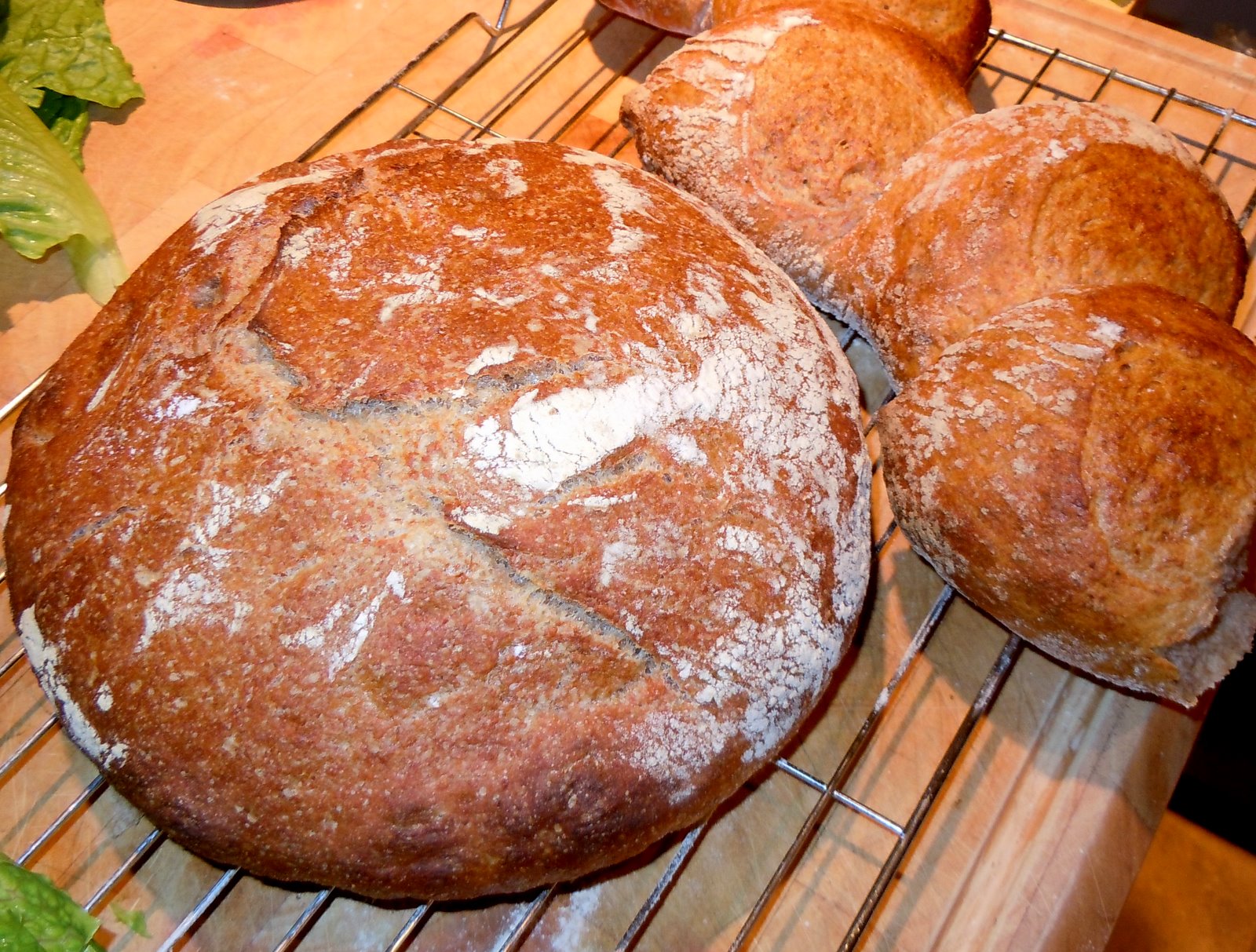
When I returned from work, I found the dough busting out over the top of the bowl and generally making a mess. I punched it down and split it into two batches. With the first batch, I made some pita bread and a couple of small baguettes. They didn’t come out too badly, but certainly nothing worthy of a magazine shoot.
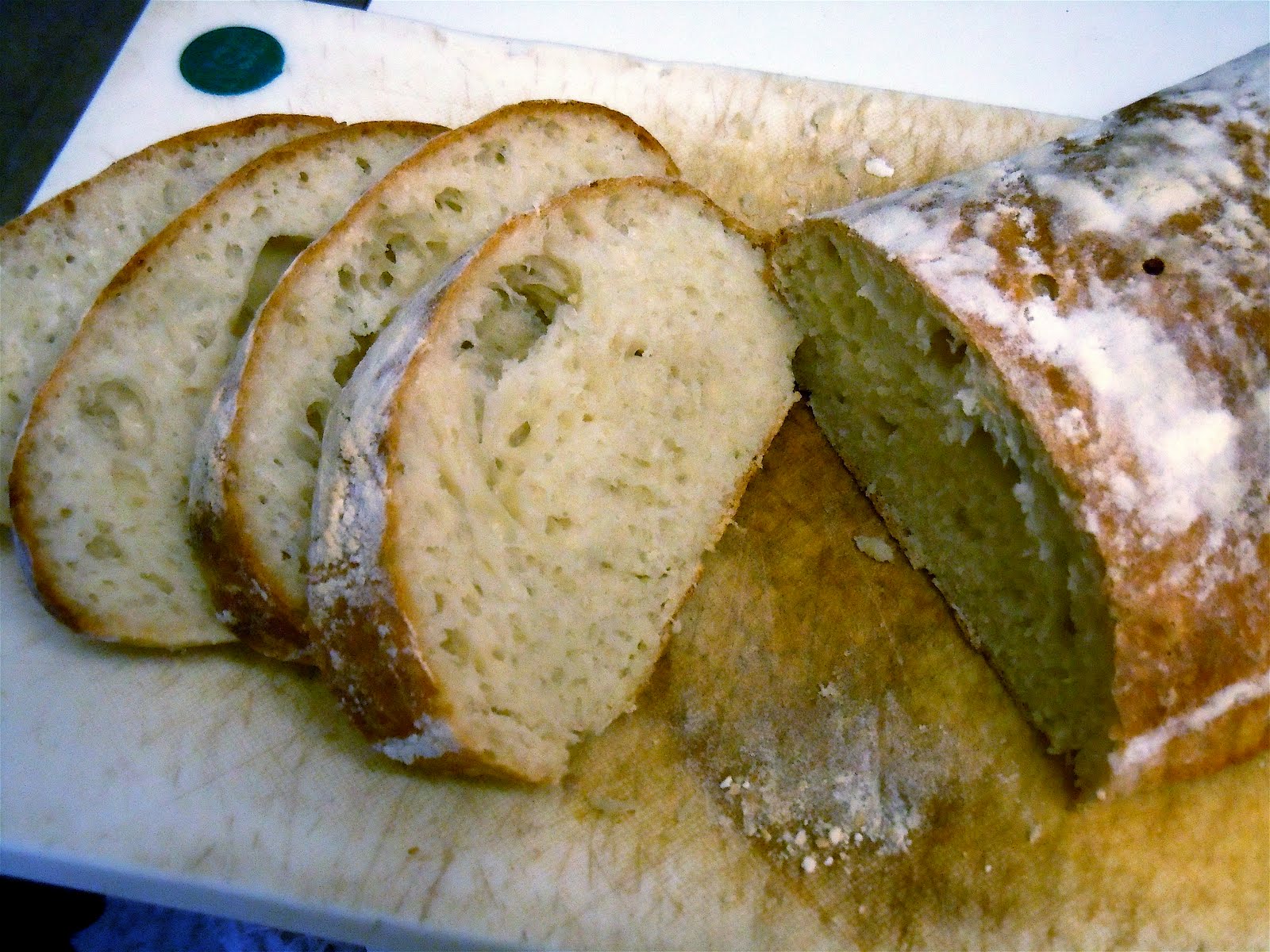
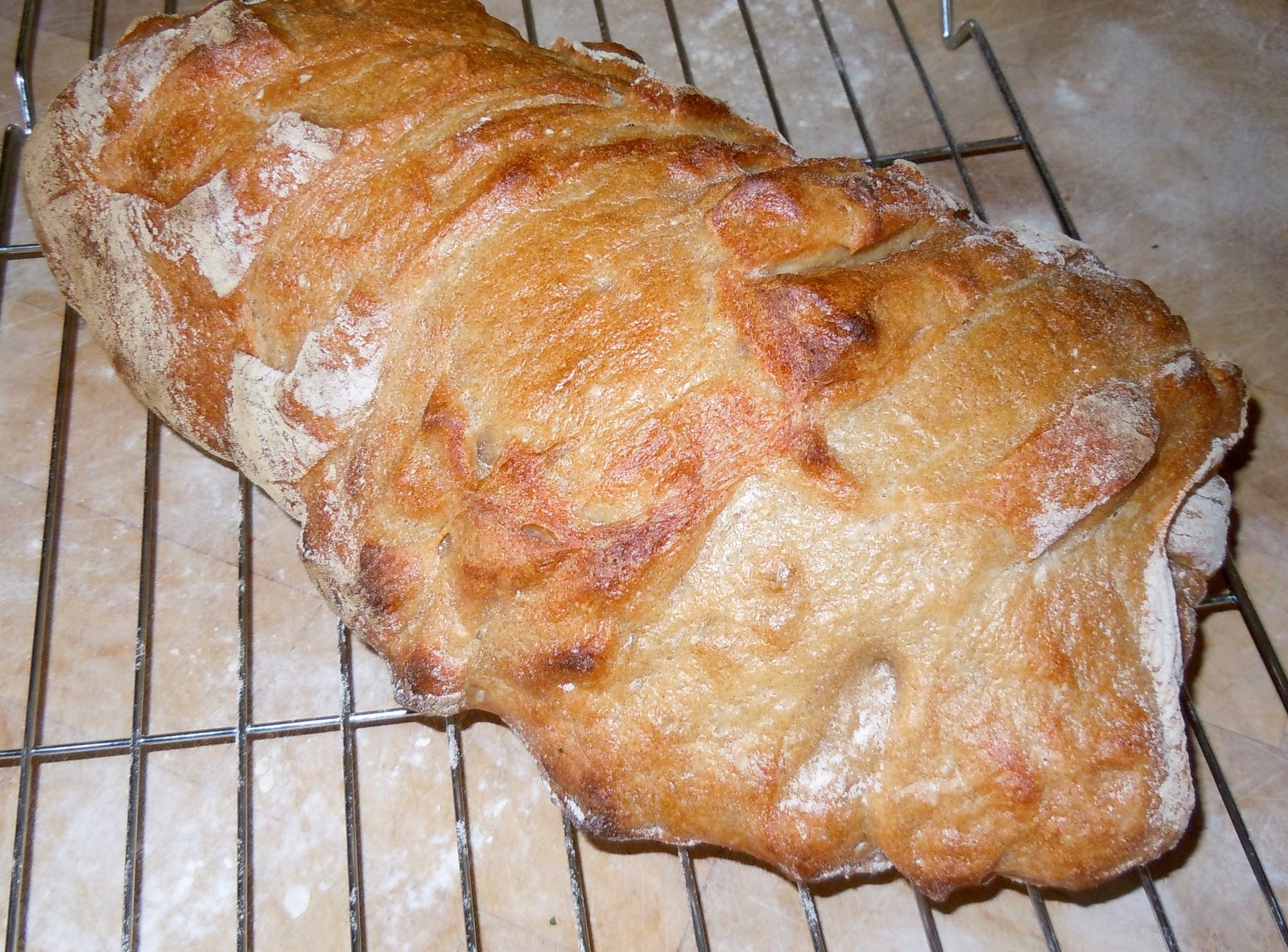
Yesterday afternoon, we decided on spaghetti for dinner and I thought I’d try to use the remaining dough, now a week in the frig, to make some bread for dinner. I mixed it with a fresh batch and after a couple of hours, it was somewhat usable. The picture here is of the remaining loaf. We ate most of the first one and had the rest of it toasted this morning. It was better than any bread you can buy in the store. But was it ever ugly!
So, here is my point. People have been making bread for 12,000 years. Without thermometers. Without kitchens. Without electric or gas ovens. Without precise measuring devices or fresh water on tap, without salt, without store-bought yeast. On rocks. Sure. The first breads were not much more than a paste poured out onto a rock and left in the hot sun. But for hundreds of years, people have been making great bread without any of the conveniences we have today. And they were great, nutritious breads.
Today we have cookbooks with color pictures and step-by-step instructions. We have YouTube videos that show the entire process. And you only need four ingredients, flour, water, salt, and yeast. Four (4). No more. No less.
- 3 cups of flour
- 1 cup of water
- 1 1/2 teaspoons of salt
- 1 teaspoon of yeast.
That is about thirty cents worth of stuff. Maybe less.
And yet, there is this fear of failure. What if I don’t mix it right? What if it doesn’t rise? What if? What if?
With today’s quality ingredients available nearly everywhere, you really can’t get this wrong. It might not be perfect. It might be pretty ugly. You might not think it looks anything like what you’ve seen before. But, it will be better than anything you can buy in the store!
Make a batch of dough today. Make a loaf of bread tomorrow.
You’ll love it. And you’ll be loved for it.